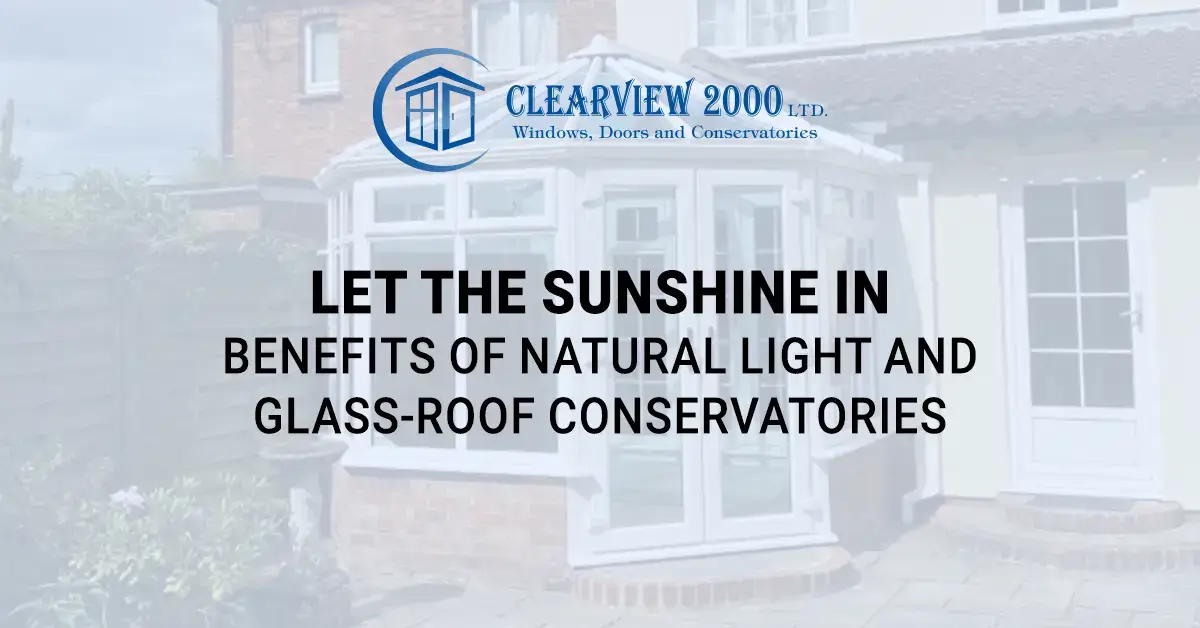
June’s long, bright days remind us of the power of sunlight to transform our homes. Natural light enhances mood, improves health and reduces the need for artificial lighting. A glass‑roof conservatory captures daylight and creates an inviting space that bridges your home and garden. In this article, we explore the benefits of natural light, the science behind glass roofs and how to design a conservatory that is comfortable all year round.
Health and Wellbeing Benefits of Natural Light
Exposure to natural light has profound effects on physical and mental health. The World Green Building Council notes that access to daylight in offices is “as fundamental to life as food, water and air”. Studies have found that natural elements such as sunlight and plants increase wellbeing by 15 %, productivity by 6 % and creativity by 15 %. Daylight helps regulate our circadian rhythm — the internal clock that governs sleep and alertness. In homes, natural light reduces reliance on electric lighting, lowering energy bills and carbon emissions. It also enhances the perception of space, making rooms feel larger and more welcoming. When you incorporate large areas of glazing into your home, you reap these benefits every day.
Advantages of Glass‑Roof Conservatories
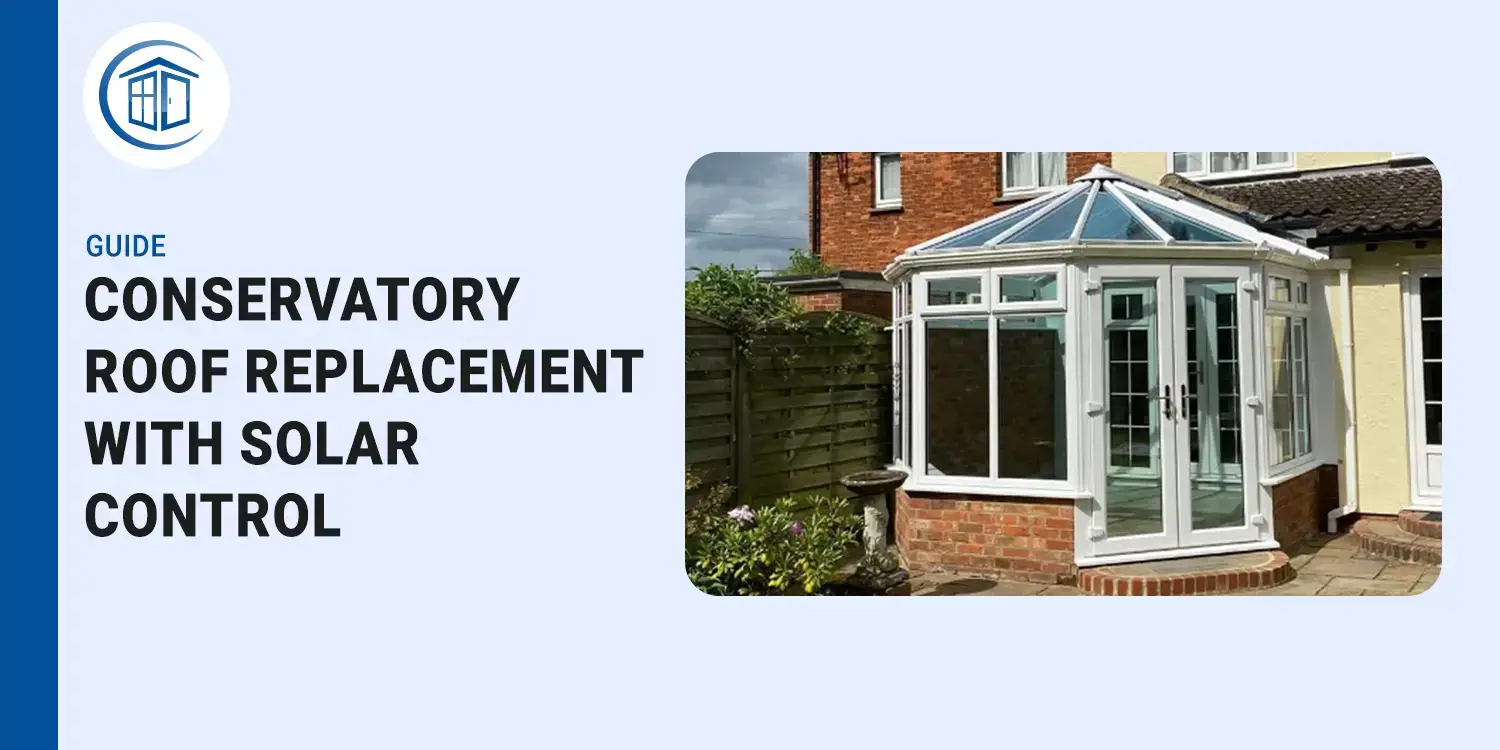
A conservatory with a glass roof allows you to enjoy the sky in all seasons. Compared with polycarbonate, glass is clearer, more durable and better at insulating. Modern glass roofs use Low‑E (low‑emissivity) coatings that reflect heat back into the room during winter and deflect excessive solar gain in summer. This technology keeps the space warm when outside temperatures drop and prevents overheating on sunny days. The glass panels often contain argon gas between double or triple glazing, which improves insulation. Glass roofs are long‑lasting and require little maintenance; they don’t discolour like polycarbonate and can be self‑cleaning with special coatings. The result is a light‑filled room that feels part of your garden, perfect for dining, relaxing or working.
Balancing Light and Temperature
While natural light is beneficial, unmanaged solar gain can make a conservatory uncomfortably hot in summer. There are several ways to maintain balance. Using high‑performance glass with Low‑E coatings or solar control coatings reduces heat transmission while still allowing light through. Thermally broken frames and insulated base walls further improve the thermal performance of the structure. Incorporating roof vents or automated skylights allows hot air to escape, preventing a build‑up of heat. You can also add internal blinds or external shading (such as retractable awnings) to provide shade when needed. According to passive‑house design principles, overhangs or deep reveals on south‑ and west‑facing glass help block high summer sun while admitting lower winter sun. Clearview 2000 can design a glass roof with integrated shading solutions tailored to your orientation.
Ventilation and Air Quality
Air quality is as important as temperature in a conservatory. Without adequate ventilation, a glass structure can feel stuffy and damp. Fitting trickle vents into the window and door frames allows a continuous supply of fresh air without opening large panels, reducing condensation and maintaining indoor air quality. Roof vents that open manually or automatically let rising hot air escape. In passive‑house designs, a mechanical ventilation with heat recovery (MVHR) system can bring in fresh air while recovering heat from the outgoing air. For most conservatories, however, natural ventilation via windows, doors and roof lights is sufficient when combined with shading.
The Role of Orientation and Shading
The performance of a glass‑roof conservatory is heavily influenced by its orientation. South‑facing conservatories capture the most light but also have the greatest risk of overheating. East‑facing rooms benefit from morning sun, while west‑facing rooms enjoy afternoon warmth; shading on the west elevation is often crucial. North‑facing conservatories provide even light throughout the day but may require additional heating. External shading, such as eaves, pergolas or deciduous plants, can be used to filter light and reduce heat gain on south and west sides. Clearview 2000’s design team considers orientation, shading and glazing specification to create a comfortable space tailored to your site.
Structural and Regulatory Considerations
Like any extension, a conservatory must comply with building regulations. Glass roofs must be strong enough to support snow loads and resist wind. Safety glazing (toughened or laminated) is required at low levels and in roofs. The supporting frames and base walls must meet thermal requirements to prevent cold bridges. If the conservatory is open to the house (without doors separating it), it must meet the same insulation standards as an extension, including U‑values of 1.4 W/m²K for windows and doors. A FENSA‑registered installer will ensure compliance and provide certification for the glazing. Planning permission is not needed for most conservatories within permitted development limits, but check with your local authority if your property is listed or in a conservation area.
Integrating Indoor and Outdoor Living
A glass‑roof conservatory isn’t only about letting light in; it’s about enhancing the connection between your home and garden. Bi‑fold or sliding doors create a seamless transition and allow you to open up an entire wall in summer. When combined with level thresholds, they create an accessible pathway for all ages. Choosing flooring that matches or complements your kitchen or lounge helps the conservatory feel like an extension of the main house. Add comfortable furniture, plants and soft furnishings to create a living space that is cosy in winter and airy in summer. Many clients incorporate dining areas or home offices in their conservatories, taking advantage of the daylight and views.
Environmental Impact and Sustainability
A well‑designed glass‑roof conservatory can contribute to sustainability goals. Natural light reduces the need for artificial lighting during the day, cutting electricity use. High‑performance glazing reduces the heating energy needed in winter and the cooling energy in summer. When you use sustainably sourced timber or recycled aluminium for frames and specify glass manufactured with recycled content, you further reduce the environmental footprint. For homeowners considering solar panels, the south‑facing roof of an adjacent house extension can be an ideal location. Adding plants inside the conservatory improves air quality and adds to the biophilic benefits of the space. With careful specification, your conservatory becomes a showcase of sustainable design.
Conclusion: Create Your Light‑Filled Oasis
Natural light has the power to transform how we live and feel. A glass‑roof conservatory harnesses that light, creating a versatile space that blurs the boundaries between indoors and outdoors. By understanding the benefits of natural light, selecting high‑performance glazing, planning for ventilation and shading, and ensuring compliance with building regulations, you can design a room that is comfortable year‑round. At Clearview 2000, we specialise in bespoke conservatories that combine aesthetics, energy efficiency and practicality. Our designers will work with you to choose the right roof, glazing, orientation and shading to suit your lifestyle.
Contact us to begin creating your own light‑filled oasis.