As summer blossoms in Hertfordshire, many homeowners long to open up their living spaces to the garden. Patio doors make it easy to blur the boundary between indoors and outdoors, but choosing between bifold and sliding designs can be challenging. Each style offers different benefits in terms of opening width, space efficiency, natural light, thermal performance and security. This article compares the two so you can select the best option for your lifestyle and property.
How the Doors Operate
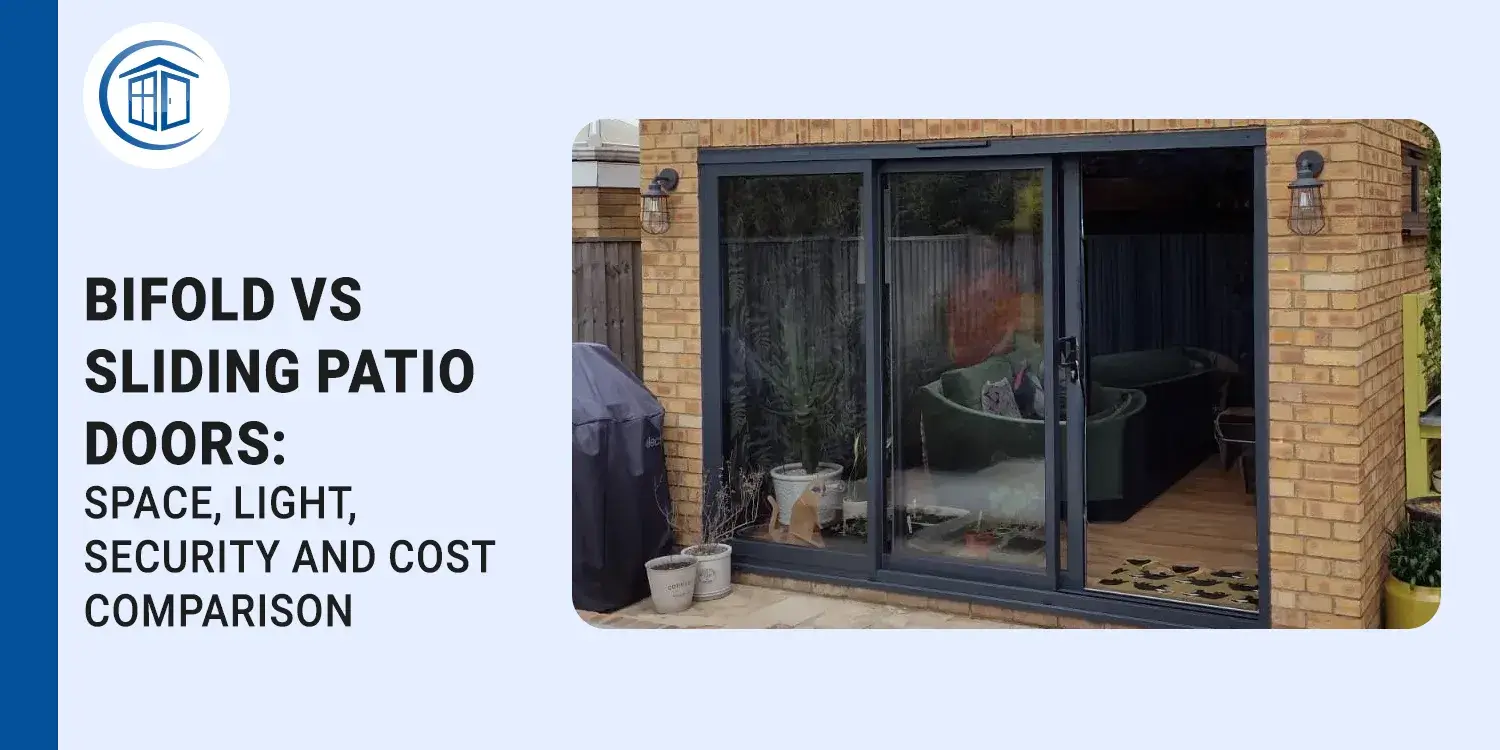
Sliding patio doors consist of large glass panels that glide along a horizontal track. Only one panel (or sometimes two on larger systems) moves at a time, sliding past a fixed panel. The door does not intrude into the room or the garden, making sliding doors ideal for compact spaces. Bifold doors, by contrast, comprise multiple hinged panels connected in a concertina fashion. When opened, the panels fold back and stack neatly to one side, creating an expansive opening. Depending on the configuration, bifold systems can consist of two to seven panels and may fold inward or outward. The way each door operates influences how much space you need and how you use the opening in everyday life.
Opening Width and Connection to the Garden
The most striking difference between the two styles is the opening they create. Bifold doors can open up almost the entire width of an aperture because the panels fold and stack completely to the side. This provides a seamless transition to the garden, perfect for entertaining or for families who enjoy indoor‑outdoor living. Sliding doors, on the other hand, open only as far as the sliding panel can move behind the fixed panel. Although you still get a generous opening, it’s typically narrower than what a bifold can offer. Homeowners who prioritise unobstructed views when the doors are closed often favour sliding doors because they have larger glass areas and slimmer frames. Your choice depends on how you value the open‑plan feel versus the uninterrupted view when closed.
Space Efficiency and Furniture Placement
Space considerations are critical, especially in smaller rooms. Sliding doors operate along their own axis and need no extra space to open, making them suitable for tight patio, balcony or terrace situations. Bifold doors require space either inside or outside the room for the panels to stack when folded. If your room is compact or you have furniture near the door, sliding doors may be more practical. However, bifold systems that stack externally avoid interfering with interior furniture but may intrude on the patio. Carefully consider the available space before deciding.
Natural Light and Sightlines
Both bifold and sliding doors are designed to maximise natural light, but they achieve this in different ways. Sliding doors typically have two or three large panes of glass with minimal framing, offering wide uninterrupted views and allowing sunlight to flood into your home. Bifold doors have more frames because each panel needs its own border; this can slightly interrupt the view when the doors are closed. However, bifold doors allow you to completely open the wall, providing an unparalleled connection to the garden when the weather is fine. If your priority is an uninterrupted view year‑round, sliding doors may edge ahead; if you want a dramatic open‑wall effect on sunny days, bifolds are ideal.
Thermal Performance and Weatherproofing
Modern patio doors are highly energy efficient, using double or triple glazing and insulated frames. Both sliding and bifold doors can achieve excellent U‑values when fitted with high‑performance glass and thermally broken aluminium or composite frames. That said, sliding doors may have a slight advantage because there are fewer joints and seals through which heat can escape. Bifold doors with multiple panels have more potential points of air leakage, although quality systems use continuous gasket seals and multi‑point locking to minimise drafts. To ensure good thermal performance, choose doors from reputable manufacturers and ensure professional installation.
Security Features
Security is paramount for any exterior door. Sliding patio doors traditionally used a single lock at the meeting stile, but many modern systems now incorporate multi‑point locks and anti‑lift devices to prevent the panel from being forced off its track. Bifold doors usually come with multi‑point locking along each panel and shoot bolts at the head and sill, making them very secure. Some bifold systems include a traffic door – a single hinged panel that operates independently so you don’t need to fold all the panels every time you go outside. When comparing doors, look for certifications such as PAS 24, which indicates that the door has been tested for security against forced entry.
Flexibility and Customisation
Both door types offer a range of configurations, materials and finishes. Sliding doors can use lift‑and‑slide or multi‑slide mechanisms to allow multiple sliding panels and wider openings. Bifold doors can be configured with odd or even numbers of panels to open from the centre or one side. Material choices include aluminium (strong, slim sightlines and low maintenance), uPVC (cost‑effective and insulating) and timber or composite (providing natural warmth and durability). You can also choose from a wide palette of colours and finishes to complement your home. When designing a large opening, consider whether you’ll need integrated blinds for privacy or sun control, and discuss threshold options to improve accessibility.
Cost Considerations
The price of patio doors depends on size, material and specification. Generally, sliding doors are more affordable for small to medium apertures, while bifold doors can be costlier due to the extra hardware and panels. However, the price difference narrows for large openings because sliding doors often require more substantial engineering. Factor in the cost of widening an existing opening or building a new lintel if you’re increasing the width of your doorway. Remember that investing in high‑quality doors with good insulation and security features will pay off in comfort, reduced energy bills and property value.
Choosing the Right Patio Door for Your Home
When choosing between bifold and sliding patio doors, consider how you’ll use the space, the size of the opening, your budget and your priorities for light and view. Sliding doors maximise glass area and require no stacking space, making them ideal for smaller rooms or where uninterrupted views are paramount. Bifold doors provide a dramatic open‑wall effect and are perfect for creating a seamless indoor‑outdoor living experience. Both styles can achieve excellent energy efficiency and security when specified correctly. If space and budget allow, consider innovative systems such as multi‑slide doors, which combine the wide opening of bifolds with the slim frames of sliding doors.
Conclusion: Open Your World with Clearview 2000
Patio doors are more than just an entrance — they shape how you interact with your garden and bring light into your home. By understanding the differences between bifold and sliding doors, you can choose a system that matches your lifestyle. At Clearview 2000, we supply and install high‑quality patio doors in aluminium, uPVC and composite materials. We’ll advise on the best configuration for your opening, ensure compliance with energy and security standards, and finish your installation to perfection. Whether you’re looking to maximise views or create a wide opening for entertaining, we’re here to help you open your world.