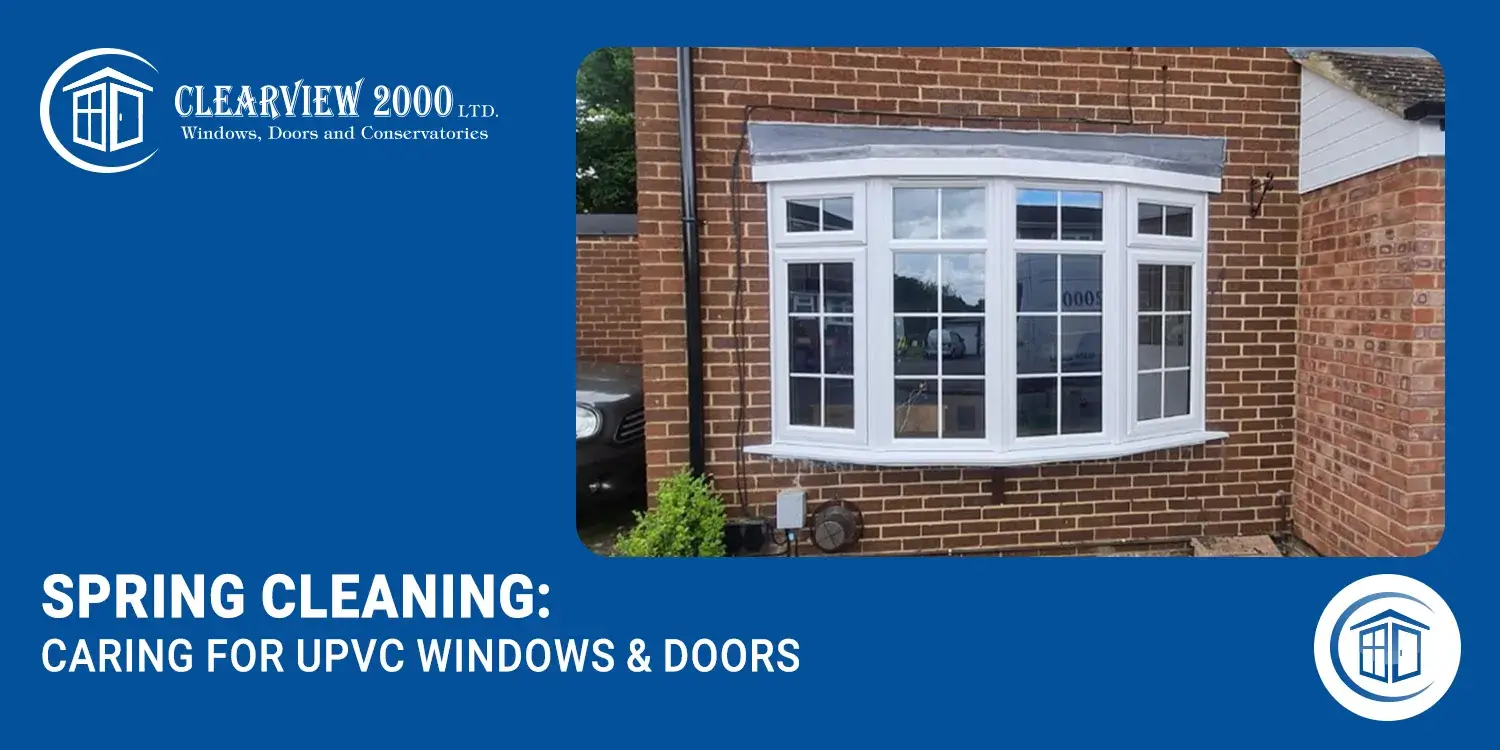
As winter fades and daylight lengthens, spring is the perfect time to give your home a refresh. Many properties in Hertfordshire feature uPVC windows and doors because they are durable and low maintenance, but a little care goes a long way toward preserving their appearance and performance. In this guide we explain how to clean and maintain uPVC units, how to deal with condensation and drainage issues, and when to call in professionals.
Why uPVC Needs Maintenance
uPVC (unplasticised polyvinyl chloride) is a rigid plastic that resists rot, rust and corrosion. Unlike timber, it doesn’t need painting, and unlike metal, it doesn’t corrode when exposed to moisture. Well‑manufactured uPVC windows can last 20–30 years, but exposure to pollution, UV light, wind and rain will eventually take its toll. Routine cleaning with warm water and a mild detergent removes grime and prevents discolouration. Without regular care, dirt builds up in joints and drainage channels, which can hinder operation and encourage mould growth. Spring cleaning ensures that your windows continue to perform as intended and extends their lifespan.
Cleaning Frames and Glass
Start by dusting or vacuuming loose dirt from the frame and surrounding area. Mix a small amount of washing‑up liquid with warm water and use a soft cloth or sponge to wipe down the uPVC frame. Avoid abrasive cleaners or scouring pads, as they can scratch the surface and leave permanent marks. For stubborn stains, a specialist uPVC cleaner can be applied sparingly; test it on an inconspicuous area first. Clean the glass using a mild glass cleaner or vinegar‑and‑water solution, wiping in a circular motion to avoid streaks. Don’t forget the areas where the sash meets the frame, as dirt trapped here can compromise the seal when the window is closed.
Inspecting and Clearing Drainage Channels
uPVC frames have built‑in drainage holes to allow rainwater to escape. After heavy rainfall, it’s normal to see a small amount of water in the bottom of the frame, it will drain away through these weep holes. Over time, dirt, leaves and insects can block the channels and cause water to back up. During your spring clean, open the windows and locate the drainage slots. Use a soft brush or cotton bud to remove any debris and flush the channel with warm water. Check outside to ensure the external drainage slots are clear as well. Keeping these channels unblocked prevents water from pooling and stops damp problems from developing around your windows.
Tackling Condensation and Ventilation
Condensation occurs when warm, humid air meets a cold surface and water vapour turns into droplets. Double glazing reduces condensation compared with single glazing, but it does not eliminate it entirely. If you regularly notice condensation on your uPVC windows, it may indicate high humidity indoors or poor ventilation. To reduce moisture levels, ensure kitchens and bathrooms are fitted with extractor fans and use them during cooking or showering. Open trickle vents on windows to allow a continuous flow of air and avoid drying washing indoors when possible. During spring, take advantage of mild days to open windows fully and exchange stale air for fresh. Over time, high humidity can cause damp patches and mould around windows, so addressing condensation is both a maintenance and a health issue.
Lubricating Hinges and Hardware
Smooth operation is essential for security and ease of use. uPVC windows typically use friction hinges that allow the sash to stay open at various angles. The Framemaster guide recommends keeping these hinges free from dirt and lubricating them with silicone spray. Do not use heavy oil, as it can attract more dust. Check that screws are tight and tighten them if necessary. For windows with locking handles, follow the manufacturer’s guidance: some have push‑button mechanisms that should be unlocked with the key rather than forced. On doors with shoot‑bolt locking systems, remember that the door is not fully secure when left slightly open for ventilation. Close and lock doors properly whenever you leave the room.
Checking Weather Seals and Gaskets
The rubber gaskets around your uPVC windows and doors keep out drafts and rain. Inspect the seals for cracks, shrinkage or displacement. If you can feel drafts around the frame when the window is closed, the gasket may need adjustment or replacement. You can rejuvenate flattened seals by wiping them with a silicone conditioner, which helps restore flexibility. Pay particular attention to the bottom of doors, where weather strips experience heavy wear. Replace worn strips promptly to maintain an effective seal.
Preventing Discolouration and Warping
uPVC is UV resistant, but over decades intense sunlight can cause slight yellowing or brittleness. To keep frames looking their best, avoid harsh chemicals and routinely clean off dirt and bird droppings, which can contain acids that stain the surface. Where possible, use blinds or curtains to limit prolonged exposure to direct sunlight in south‑facing rooms. If your frames have already discoloured, professional refinishing products are available. Though rare, uPVC can warp if exposed to extreme heat; ensure exterior dark‑coloured frames meet the manufacturer’s specification and are installed with adequate reinforcement.
When to Call a Professional
While most maintenance tasks can be carried out by homeowners, some issues require professional attention. If your window doesn’t close properly or the handle feels loose despite tightening screws, there may be internal mechanism failure. Water leaks that persist after cleaning drainage channels could indicate a damaged seal or poorly aligned frame. Persistent condensation between glass panes points to a failed sealed unit, which must be replaced. Clearview 2000 offers a comprehensive maintenance service, including replacing failed units, adjusting hinges and installing new gaskets. We can also advise whether upgrading to new, more energy‑efficient windows will be more cost effective than repairing older ones.
Conclusion: Keep Your Windows at Their Best
Regular care ensures that your uPVC windows and doors continue to deliver the benefits they’re known for: excellent insulation, security and low maintenance. Spring is the ideal time to give them a thorough clean, inspect drainage and hardware, and address any issues before summer weather arrives. By following the tips above and seeking professional help when necessary, you’ll extend the lifespan of your windows and protect your investment. For advice on maintenance or upgrading your windows, contact Clearview 2000 – our team is always happy to help.