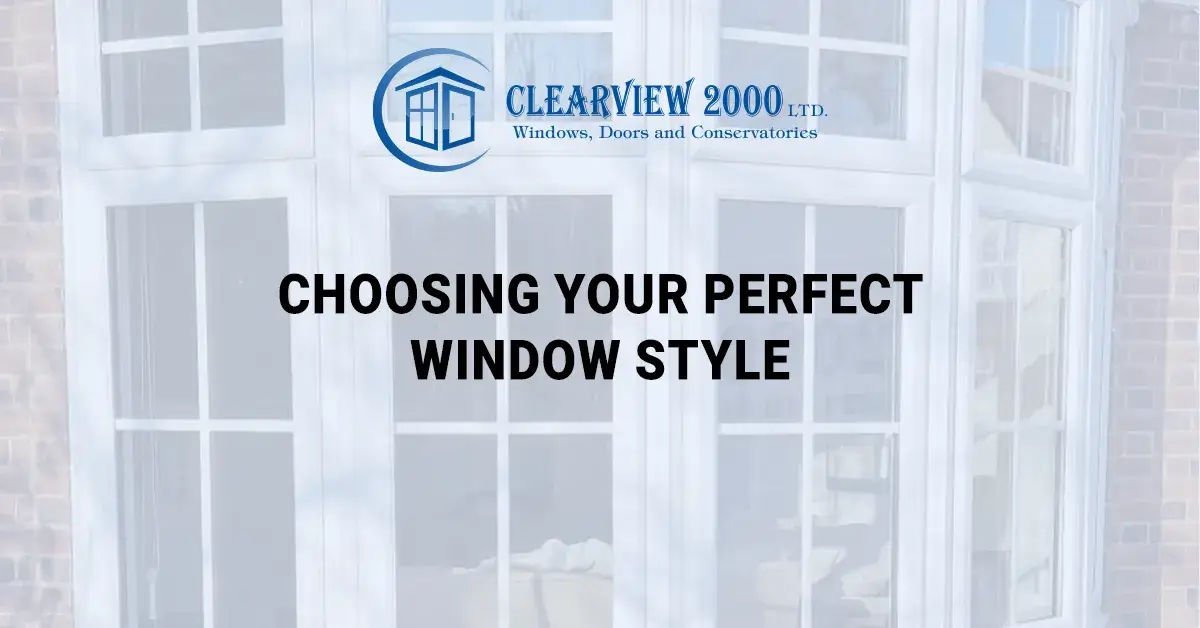
The warmer months often inspire homeowners to think about aesthetic upgrades. Installing new windows isn’t just about efficiency, the style you choose has a profound impact on the character and functionality of your home. From classic sash windows that grace Victorian terraces to modern tilt‑and‑turn designs, there’s a style for every property. This guide outlines the main window types, their advantages and the considerations that go into selecting the right one.
Casement Windows: Versatile and Airy
Casement windows are some of the most popular and versatile styles. Hinged at the side or top, they open outward like a door, allowing maximum ventilation. Because they seal tightly against the frame when closed, casements are among the most energy‑efficient window styles. Compression seals around the frame reduce air leakage and help achieve low U‑values, making casements a good choice for energy‑conscious homeowners. The simplicity of the mechanism also means casement windows are relatively inexpensive to manufacture and maintain. In contemporary designs, casements often feature slim profiles and large glass areas, while in traditional homes they can include Georgian or cottage bars to match existing aesthetics. Fitting restrictors or friction hinges ensures the sash doesn’t open too far in windy conditions.
Vertical Sliding Sash Windows: Period Charm
Vertical sliding sash windows are synonymous with Georgian, Victorian and Edwardian architecture. They consist of two sashes that slide up and down within the frame, allowing you to adjust ventilation while keeping the window within its footprint. Modern sash windows use spiral balances or spring mechanisms instead of weights and pulleys, improving reliability and insulation. Double‑glazed sash windows retain the traditional appearance while delivering better energy performance. Many conservation areas require replacement windows to replicate the original design, making sash windows the natural choice. When fitted with draught excluders and high‑performance glass, sash windows can meet modern U‑values without compromising heritage character.
Flush Windows: Contemporary Minimalism
Flush windows are so named because the sash sits flush with the outer frame, creating slim sightlines and a sleek finish. They operate like casement windows but have a flatter exterior profile. This design is ideal for contemporary properties where a clean, modern look is desired. Flush windows often incorporate concealed hinges and can be manufactured from uPVC, aluminium or timber. The minimal frame maximises the glass area, flooding rooms with light. Despite their slim appearance, modern flush windows incorporate multi‑chambered profiles and thermal breaks to maintain energy efficiency. They are also popular in renovations of cottages and period homes where planners want to retain a low‑profile aesthetic while improving performance.
Tilt‑and‑Turn Windows: Flexibility and Safety
Tilt‑and‑turn windows are increasingly popular in the UK. These windows tilt inward from the top for secure ventilation and turn inward from the side for easy cleaning. The dual‑action mechanism allows you to ventilate rooms safely (especially in high‑rise buildings) and provides a large opening for emergency egress. Because the sash opens inward, tilt‑and‑turn windows require clear internal space, but they eliminate the need to lean out when cleaning the exterior glass. Energy efficiency is excellent because the design uses continuous compression seals around the perimeter. These windows suit modern homes and apartments where function and safety are priorities.
Heritage and Slimline Windows: Replicating the Past
For homes in conservation areas or for those looking to maintain period charm, heritage windows replicate early 20th‑century timber or steel frames while providing modern performance. Heritage windows often feature multi‑pane grids and period‑style hardware, and they can be manufactured from wood, aluminium or composite materials. Timber heritage windows offer natural insulation and an authentic appearance, while aluminium heritage windows provide slim profiles reminiscent of steel with improved durability and low maintenance. When selecting heritage windows, pay attention to glazing bars, sightlines and paint finishes to ensure they meet planning requirements. Upgrading to double or even triple glazing within heritage frames can dramatically improve comfort while preserving historical character.
Additional Styles: Fixed, Shaped and Roof Windows
Beyond the main categories, there are numerous specialised window types. Fixed or picture windows do not open but offer expansive views and high levels of insulation because there are no moving parts. Shaped windows (such as circular, arched or triangular designs) add visual interest and allow architects to play with form. Roof windows and skylights bring light into loft conversions and upstairs corridors; some incorporate remote controls or rain sensors for automated opening. When choosing these specialised styles, consult your installer to ensure they integrate seamlessly with other windows and meet U‑value and ventilation requirements.
Materials and Finishes
The material you choose for your windows affects not just appearance but also energy performance, maintenance and cost. uPVC is affordable, low maintenance and available in a range of finishes, including woodgrain foils. uPVC frames are natural insulators and typically last 20–30 years. Aluminium provides strength and very slim sightlines; modern aluminium windows include thermal breaks to improve insulation. Timber offers unrivalled natural beauty and excellent thermal performance but requires regular painting or varnishing. Composite frames combine materials, for example timber inside for warmth and aluminium outside for durability. When selecting finishes, consider whether your local planning authority has restrictions on colours, particularly in conservation areas. Powder‑coated aluminium and factory‑finished timber offer long‑lasting colour with minimal maintenance.
Performance, Security and Compliance
No matter which style you choose, performance should never be an afterthought. Ensure the windows meet or exceed current building‑regulation U‑values. Look for windows with energy ratings from A++ to E certified by the British Fenestration Rating Council (BFRC). Security features such as multi‑point locks and internal glazing beads prevent panes from being removed from the outside. For homes in conservation areas, check with the local planning authority that your chosen style is acceptable. In all cases, use a FENSA‑registered installer to ensure your windows are properly fitted and certified.
Selecting the Right Style for Your Home
Choosing a window style is a balance of aesthetics, function and context. Consider the age and character of your property, the amount of ventilation you need, ease of cleaning, and whether the window overlooks a public area. Casement windows suit almost any home; sash windows are perfect for period properties; flush and tilt‑and‑turn styles complement modern designs; and heritage windows preserve historical authenticity. Visit showrooms to see examples and request virtual visualisations. Clearview 2000 offers a full range of styles and materials and can advise on planning, energy efficiency and budget. With the right windows, you’ll enjoy improved comfort, curb appeal and long‑term value.
Conclusion
Windows are the eyes of your home, shaping its appearance while contributing to comfort and energy efficiency. From classic sash windows to sleek flush designs, the variety available today means there’s a perfect match for every house. By understanding the features and benefits of each style and partnering with a knowledgeable installer, you can choose windows that enhance both the look and performance of your home. Contact Clearview 2000 to explore samples, discuss your vision and ensure your new windows meet all regulatory and design requirements.